Leave Your Message
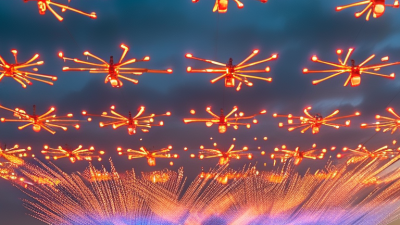
A Wedding Drone Show can turn a quiet evening into a shared spectacle: guests look up as lights trace a couple’s initials above the reception. Planning it well takes more than choosing a dramatic finale. The display must fit the venue, schedule, guest experience, and available airspace. Weather also matters. A clear backup plan can protect the evening when wind or rain makes flying unsuitable.
This guide follows the decisions that shape a safe, memorable show, from choosing a provider and setting a budget to coordinating music, timing, and venue logistics. Wedding drone-show specialist [verified expert name] captures one useful principle: “[Insert a verified quotation about planning a wedding drone show.]” Confirm the expert’s name, credentials, and exact wording before publication; an invented quotation would weaken trust. Ask providers about their experience with weddings, their operating limits, and how they coordinate with venue staff. Check practical details, too: where guests will stand, how the show will be seen, and what happens if conditions change. Small details count.
The planning is not always glamorous. Seating plans, sound checks, and schedule changes can feel tedious. Yet a few minutes spent clarifying responsibilities may prevent confusion on the night. No display is worth forcing into unsuitable conditions. With realistic expectations and a thoughtful plan, a Wedding Drone Show can feel personal without overwhelming the celebration.
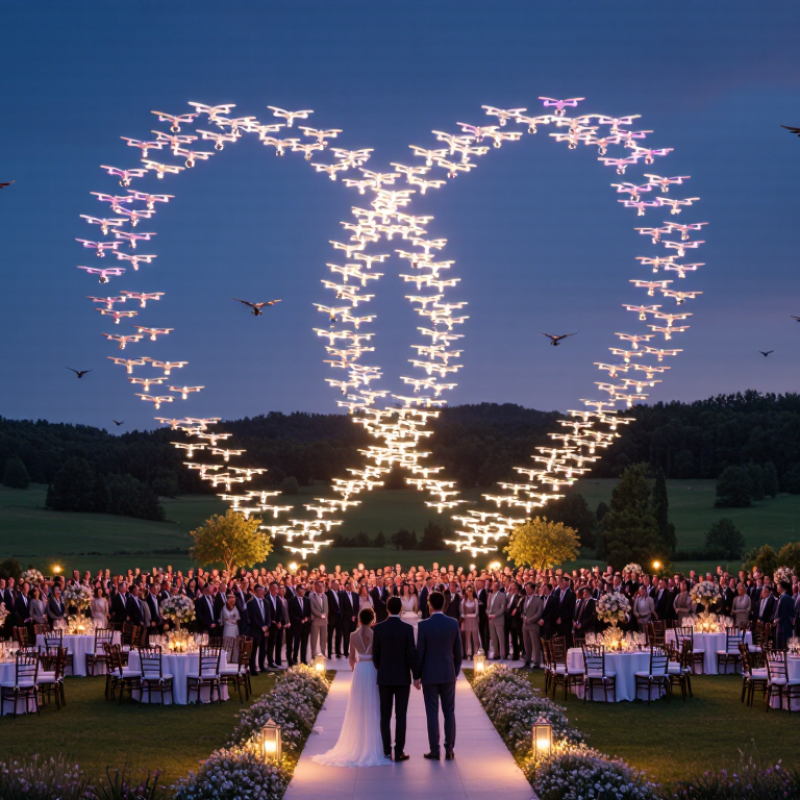
A successful wedding drone show begins with a clear purpose. Is it the couple’s entrance, a quiet tribute, or the final scene of the reception? Choose one main moment, then build the visuals around it. A shared interest might become a constellation, while the wedding date can close the sequence. Keep each image bold enough to read against the night sky. Small is fine. A first concept may feel overly sentimental; review it with the couple and revise anything that does not feel personal.
Set a firm budget before requesting proposals. The Knot’s 2024 Real Weddings Study reported an average US wedding spend of $33,000. That figure covers the whole celebration, not a drone show, so use it only as broad context. Ask providers to itemize flight time, drone count, travel, site assessment, and weather-related rescheduling terms. Compare the full cost, not just the quoted show. Leave room for unexpected venue needs; this part is easy to underestimate.
Tips: Pick three must-have images and rank them. Share the venue layout, guest viewing area, and planned show time early. Request a simple storyboard before approving the final design.
Planning guide with illustrative U.S. dollar estimates. Actual prices and permissions depend on the location, show duration, drone count, season, and vendor requirements.
| Planning dimension | Decision or example | Practical planning details |
|---|---|---|
| Show purpose | Create a memorable evening highlight | Choose one main role for the show, such as opening the reception, marking the transition to dancing, or closing the evening. A clear purpose helps set the runtime and production scope. |
| Theme and story | A short visual story about the couple | Plan a sequence of about 5–8 simple images, for example: a shared interest, a heart, the wedding date, and a final celebratory message. Confirm names, dates, and wording before artwork is finalized. |
| Show duration | Approximately 8–12 minutes | A concise show can hold guests’ attention and simplify timing. Coordinate the start time with the venue, photographer, music, and any local quiet-hour restrictions. |
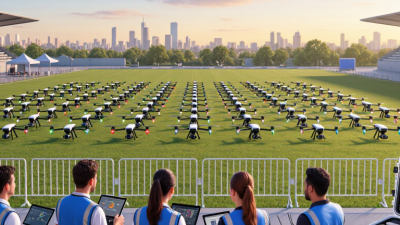
| Guest viewing and venue | Open outdoor viewing area with a clear sightline | Ask the venue and show operator to assess the launch area, guest viewing zone, nearby buildings, trees, roads, and airspace. Keep guests outside the designated operating area. |
| Drone count | About 100–200 drones for a modest display | The number needed depends on image complexity, viewing distance, and desired scale. Ask for concept previews and confirm what drone count is included in each quote. |
| Creative design and programming | Illustrative estimate: $1,000–$4,000 | May cover storyboarding, custom formations, revisions, and flight programming. Confirm the number of included design revisions and whether custom music synchronization is included. |
| Show production | Illustrative estimate: $10,000–$25,000 | A planning range for a small-to-mid-sized, custom event display; the final quote may differ substantially based on fleet size, duration, travel, crew, and location. Request an itemized quote. |
| Travel and logistics | Illustrative estimate: $500–$3,000 | May include crew travel, lodging, equipment transport, site visits, and setup logistics. Costs are location-dependent and may be higher for remote venues. |
| Permissions and safety coordination | Confirm requirements before signing | In the United States, drone operations must follow applicable FAA rules. Ask the operator who is responsible for airspace checks, required authorizations, insurance documentation, site safety planning, and venue approvals. |
| Weather and backup plan | Agree on a decision deadline and contingency | Wind, rain, visibility, and other operating limits can affect flight safety. Put weather criteria, postponement options, cancellation terms, and any backup entertainment in writing. |
| Planning reserve | Set aside approximately 10–15% of the working budget | A reserve can help cover added venue requirements, schedule changes, or other unexpected costs. Check whether taxes, permits, insurance, and travel are already included in vendor quotes. |
| Illustrative overall planning range | Approximately $12,000–$35,000 or more, depending on scope and location. Use written quotes for an accurate event budget. | |